





Landscape character area

The term ‘landscape’ refers to an area, as perceived by people, whose character is the result of the action and interaction of natural and/or human factors’ (ref European Landscape Convention).
Landscape character refers to a distinct, recognisable and consistent pattern of elements that makes one landscape different from another.
Landscape Character Types (LCTs) are generic, typically homogenous types of landscape that may occur in different parts of the country. They have similar geology, topography, drainage patterns, vegetation, land use, patterns of settlement and aesthetic character.
For more information see: Landscape character type.
Landscape classification is the process of sorting landscape into different types without attaching relative values to different sorts of landscape.
Landscape Character Areas (sometimes described as Local Landscape Character Areas or Regional Landscape Character Areas), are discrete geographical areas of a particular landscape type with a broadly consistent character, which might include:
- pattern of topography
- land use
- vegetation cover
- geology
- cultural and ecological features
- pattern of evolution
- visual and perceptual qualities
- habitats
A landscape character assessment (LCA) identifies and describes variations in the character of the landscape, explaining the combination of elements and features that make landscapes distinctive by mapping and describing character types and areas. LCAs can be used to inform planning policies, allocate land for development, assess planning applications and make environmental assessments. Ref Landscape Character Assessment Guidance for England and Scotland, The Countryside Agency and Scottish Natural Heritage 2002.
See also: Landscape Character Assessment.
National Character Area (NCA) profile documents explain how environmental evidence and information about places can be accessed and used. They divide England into 159 distinct natural areas defined by a unique combination of landscape, biodiversity, geodiversity, history, and cultural and economic activity. Their boundaries follow natural lines in the landscape rather than administrative boundaries.
[edit] Related articles on Designing Buildings
- Ecological impact assessment.
- Ecological survey.
- Environmental impact assessment.
- Green belt.
- Historic Landscape Characterisation.
- Historic Land-use Assessment.
- In-combination effects.
- Landscape and Visual Appraisal.
- Landscape and Visual Impact Assessment.
- Landscape architect.
- Landscape Character Assessment.
- Landscape character type.
- Landscape quality.
- Local Landscape Area.
- Natural area.
- Sharawadgi.
- Strategic ecology framework SEF.
- Visual impact.
Featured articles
Check out some of the best features and news from Designing Buildings as well as key stories from around the web.
Building Regulations and Building Safety Act

CIOB publishes free advice for non-domestic clients.

Building Safety Newsletter from MHCLG.
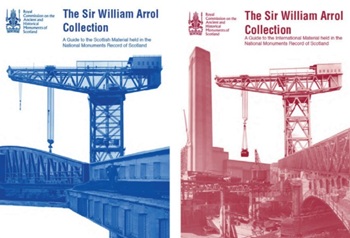
An extraordinary record of steel engineering worldwide.

Households living near new pylons to save on bills.

ECA warns growth must not outpace grid capacity or skills.
The role of the client and decision making

CIOB response to built environment professions call for evidence.
Construction's sustainability reporting revolution
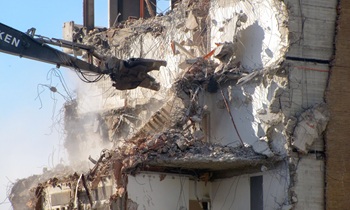
Tracking upfront embodied carbon with digital tools.
ECA welcomes procurement reforms

Public spending must back British jobs and skills.
Campaigning for Edinburgh: the Cockburn Association 1875-2049
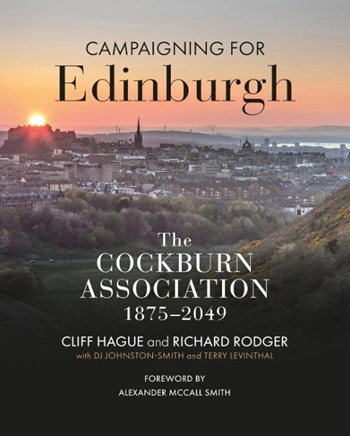
The role of the civic voice in protecting character. Book review.
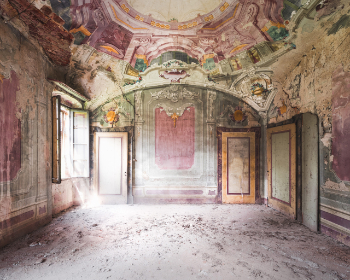
CIOB photography competition is open for entries.
ECA Edmundson apprentice of the year award

Finalists announced.
Major new study exposes serious knowledge gaps.